
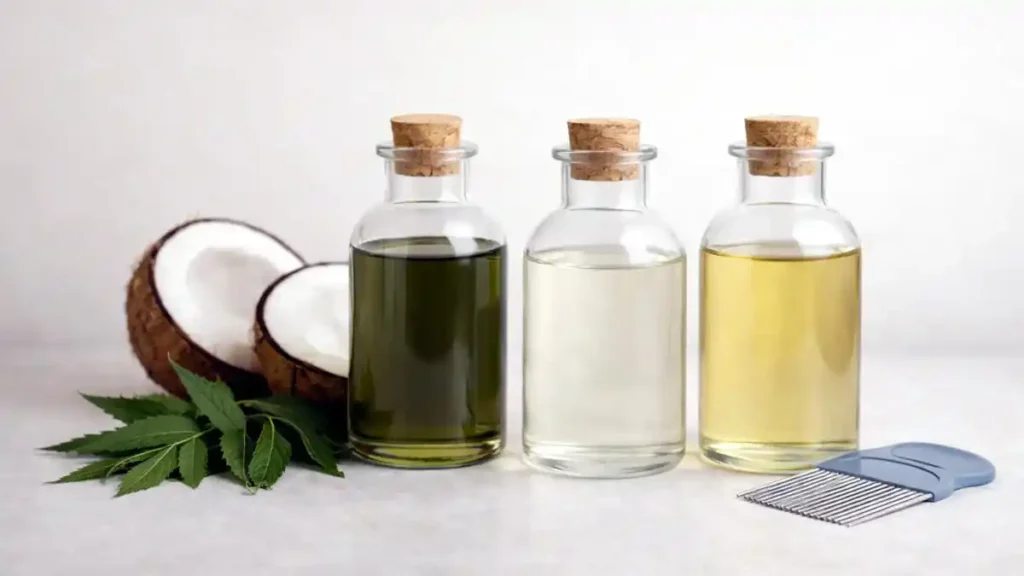
Anti-lice oils are commonly discussed in Pakistan as part of routine hair and scalp care practices. In households where head lice are a recurring concern, especially among school-age children, people often rely on traditional grooming habits to maintain scalp cleanliness and hair manageability. This guide explains oils that are commonly associated with scalp care in Pakistan and provides examples of products available locally, without making medical, treatment, or guaranteed claims.
Table of Contents
Understanding Head Lice and Scalp Care
Head lice are a common scalp issue, particularly in environments involving close contact such as schools and households. General scalp hygiene, regular hair washing, and careful grooming are usually considered part of routine care. Oils are often discussed in traditional practices for supporting scalp comfort and easing hair combing rather than as medical solutions.
Response to oils can vary depending on scalp sensitivity, hair type, and individual grooming habits.
Why Anti-Lice Oils Are Commonly Discussed in Pakistan
In Pakistan, anti-lice oils are often mentioned because oiling is a long-standing part of hair care routines. Many families include oiling before washing hair, especially when managing scalp cleanliness or making hair easier to comb.
Climate conditions, hair length, and daily routines also influence how and when oils are used for scalp care.
Commonly Used Oils Associated With Scalp Care in Pakistan
Below are oils that are traditionally and commonly discussed in Pakistan in relation to scalp care routines. These are mentioned based on cultural usage and common practices rather than guaranteed outcomes.
Neem Oil
Neem oil is widely discussed in traditional hair and scalp care practices. It is often included in oil blends and applied in small quantities as part of routine scalp care.
Coconut Oil
Coconut oil is commonly used to improve hair softness and manageability. Some people include it in scalp oiling routines to make combing easier.
Tea Tree Oil (Diluted Use)
Tea tree oil is sometimes mentioned in discussions about scalp freshness. It is typically diluted and mixed with carrier oils rather than applied directly.
Olive Oil
Olive oil is used by some individuals to soften hair and scalp, helping with grooming and detangling.
Mustard Oil
Mustard oil is traditionally used in certain regions of Pakistan and is often applied during colder months as part of scalp massage routines.
Anti-Lice Oil Products Commonly Available in Pakistan
Below are anti-lice oil products commonly available in Pakistan through local online platforms such as Daraz. These examples are shared for informational reference only to help readers understand the types of scalp-care products found in the local market. HairShop.pk does not sell or endorse these products, and individual experiences may vary.
1. Neem-Based Anti-Lice Hair Oil
Neem-based anti-lice hair oil products are frequently listed on Daraz and are often discussed in traditional scalp care routines. These products usually contain neem oil as a primary ingredient and are included here to show commonly available product categories rather than to promote a specific item.
View product on Daraz (for reference purposes only)
2. Herbal Anti-Lice Hair Oil
Herbal anti-lice hair oil products are also widely available in Pakistan. These oils typically include a blend of plant-based ingredients and are commonly positioned for general scalp care. This example highlights how herbal anti-lice oils are presented in the local market.
View product on Daraz (for reference purposes only)
3. Coconut-Based Anti-Lice Hair Oil
Coconut-based anti-lice hair oil products are often listed on Daraz. These products are generally associated with hair softness and ease of combing and are included here to provide awareness of available product types.
View product on Daraz (for reference purposes only)
How Anti-Lice Oils Are Commonly Used
In Pakistan, oils associated with scalp care are usually applied as part of routine grooming rather than as treatments. Common practices include:
- Applying oil to the scalp and hair before washing
- Leaving oil on hair for a limited period before shampooing
- Using a fine-tooth comb after oiling to help manage hair
Usage methods may vary depending on hair length, scalp sensitivity, and personal comfort.
Important Considerations
Oils may feel helpful for some individuals and less suitable for others. Factors such as scalp sensitivity, oil type, amount used, and frequency of application can influence personal experience. Oils are generally used to support routine scalp care and grooming rather than to replace professional or medical advice.
Final Thoughts
Anti-lice oils in Pakistan are commonly discussed as part of traditional and routine scalp care habits. Understanding commonly used oils, usage methods, and available product categories helps readers make informed personal decisions based on comfort and experience rather than expectations. This guide is intended to provide general awareness without promoting products or guaranteeing outcomes.
Frequently Asked Questions (FAQs)
1. Are anti-lice oils commonly used in Pakistan?
Yes, anti-lice oils are commonly discussed in Pakistan as part of traditional and routine scalp care practices.
2. Do anti-lice oils guarantee removal of lice?
No, oils are generally used for scalp care and grooming. Results and experiences can vary.
3. Can anti-lice oils be used for children?
Usage depends on individual sensitivity. Mild oils are generally preferred, and strong oils should be used with care.
4. How often are anti-lice oils applied?
Frequency varies depending on routine, hair type, and personal comfort.
5. Are oils a substitute for medical treatment?
No, oils are part of general grooming practices and are not a replacement for professional advice.